
During the Christmas season, one of the most prevalent symbols is the wreath. Wreaths have a rich history and have been used symbolically for thousands of years, with traditions passed down from many civilizations.
Typically, a wreath is an unbroken circle representing infinity, wholeness, or the cycles of the sun, moon, and seasons. During the Christmas season, wreaths are commonly made from plant materials, each imbued with their own symbolism. Read on to see how even commercial Christmas wreaths have a deeper meaning!
The Eternal Circle
The circular shape of the wreath holds profound meaning. As an unbroken circle, it symbolizes infinity, wholeness, and the cyclical nature of life.
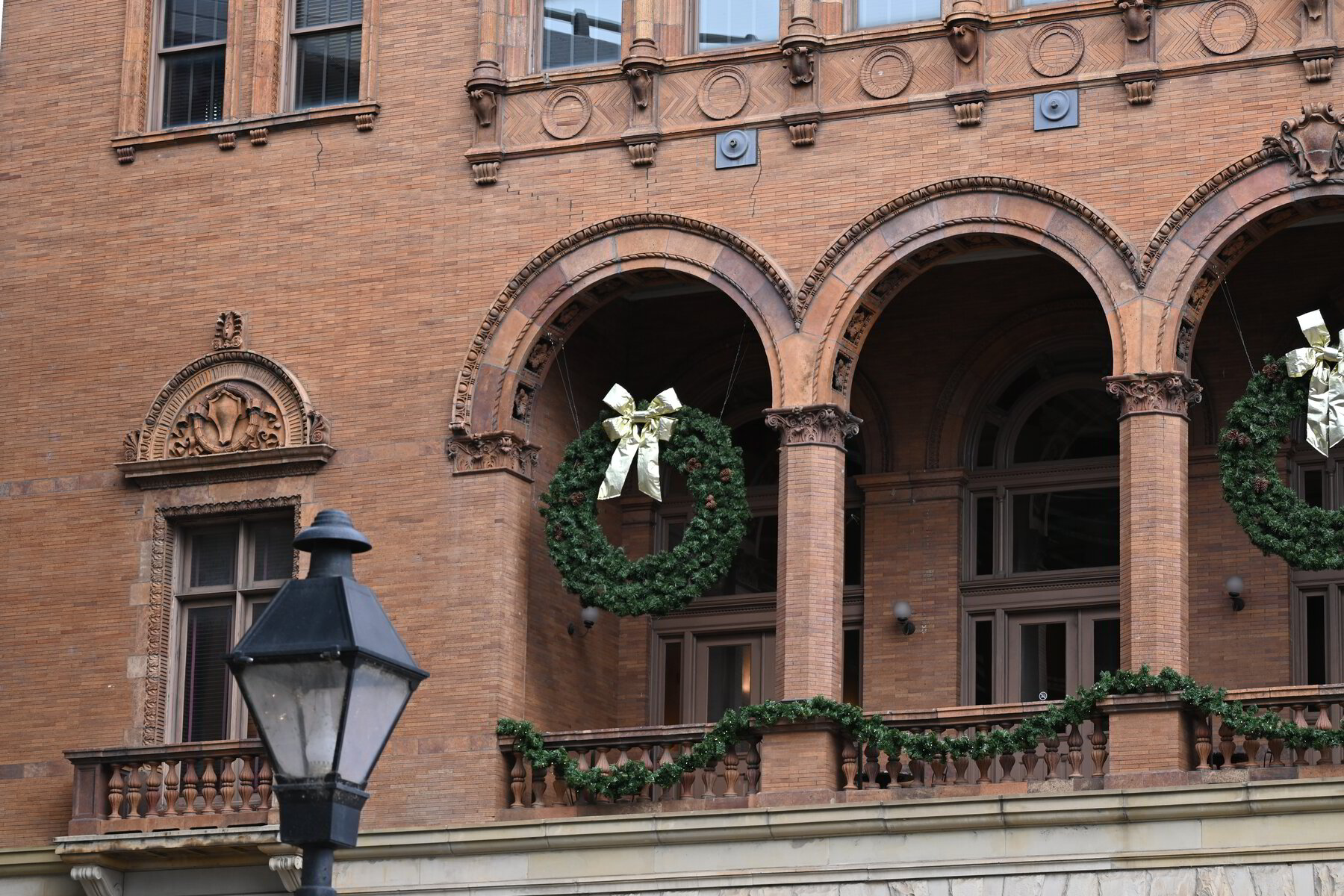
This symbolism extends to the changing seasons, reflecting the continuity and rhythm of nature. For many, the wreath represents the eternal presence of life, even during the darkest days of winter, reminding us of the cycle of life and renewal. Just like large outdoor Christmas bows can have an impact on anyone on the street, wreaths can bring their message of endurance to even a casual passerby.
Evergreens: Symbols of Vitality
Evergreens, often used for Christmas wreaths, symbolize the vitality and constancy of life. In ancient traditions, evergreens were valued for their ability to remain lush and green throughout the winter, offering hope and a reminder of life’s perseverance. The use of evergreens in wreaths continues this tradition, symbolizing resilience and the promise of new growth.
Holly: Cheerful Spirit
Holly, with its bright red berries, is another common material for wreaths. It represents a cheerful approach to winter’s challenges, bringing a splash of color to otherwise drab landscapes. The vibrant red berries of the holly plant are not only visually striking but also symbolize joy and festivity, making them a popular choice for holiday decorations.
Pines: Health and Protection
Pine wreaths are known for their soft, flowing shapes and pleasant aroma. Pines symbolize good health and protection, with over one hundred species contributing their unique characteristics to wreath-making.
Whether towering tall or growing as small shrubs, pines add a sense of natural beauty and protection to wreaths. Their long-lasting needles and robust nature make them a staple in holiday decorations.
Fir: Strength and Resilience
Fir trees share similar symbolism with pines but also bring thoughts of strength and resilience. The sturdy branches of the fir tree make it a favored choice for those seeking a durable and enduring decoration. Fir wreaths convey a message of steadfastness and fortitude, ideal for representing the enduring spirit of the holiday season.
Year-Round Significance
Wreaths made from seasonal plant materials can adorn homes year-round, not just during Christmas. Historically, wreaths symbolized victories, worn as crowns by winners. They are often a part of wedding traditions and can also be found on headstones, carved in stone.
Herbal wreaths serve practical purposes, allowing cooks to snip fresh herbs for culinary use. Globally, wreaths are part of various festivals and holidays, each with unique symbolism relevant to the culture and region.
More Than Just Decorations
Wreaths are more than mere decorations–they symbolize an ongoing circle of life, growth, and continuity, which makes them perfect for welcoming guests to your home with a message of hope and renewal. As you hang your wreath from Jubilee Decor this holiday season, reflect on its rich history and the layers of meaning it brings to your home.
If you’re still planning your holiday decorations, don’t miss our post on commercial garlands for Christmas!